Get Grub Control
Grub Control services help property owners prevent and eliminate lawn pests like beetles and grubs that damage turf, typically involving treatment applications by local contractors.
If property owners in the area are noticing an increase in grub activity, it may be time to consider professional control services. Grubs can cause significant damage to lawns and landscapes, making it important to address infestations promptly. Exploring local contractors who specialize in pest management can help develop a practical plan to protect and restore outdoor spaces, ensuring they remain healthy and attractive.
Comparing different service providers in the community can provide valuable insights into the options available for effective grub control. Many local contractors have experience working with a variety of property types and can tailor solutions to specific needs. Continuing to read can help identify trusted professionals who are well-equipped to handle this work and support property owners in maintaining thriving outdoor environments.
- Ant Pest Control - when ants invade indoor or outdoor spaces and become a persistent nuisance.
- Termite Treatment - when signs of termite activity threaten the structural integrity of a property.
- Grub Prevention and Removal - when lawn health is compromised by damaging grub infestations.
- Sod Webworm Control - when lawn damage from webworms causes unsightly patches and thinning grass.
- Cricket and Mole Cricket Control - when these pests disrupt outdoor lawns and garden areas.
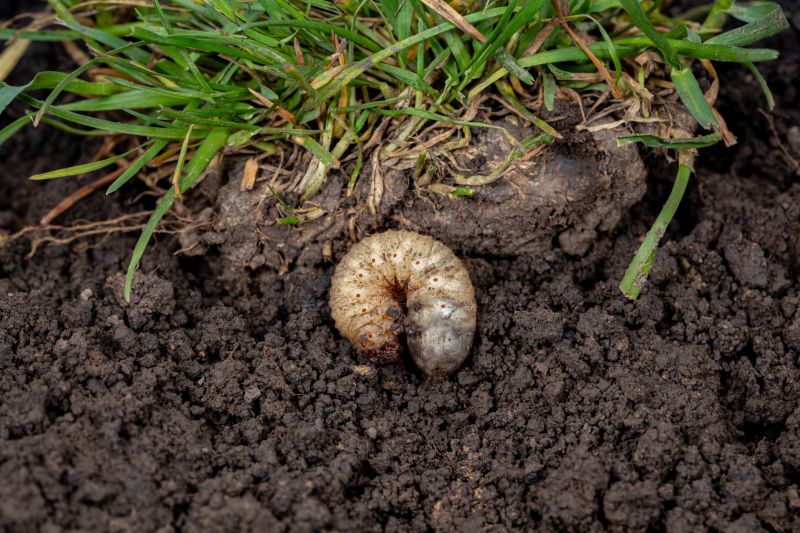
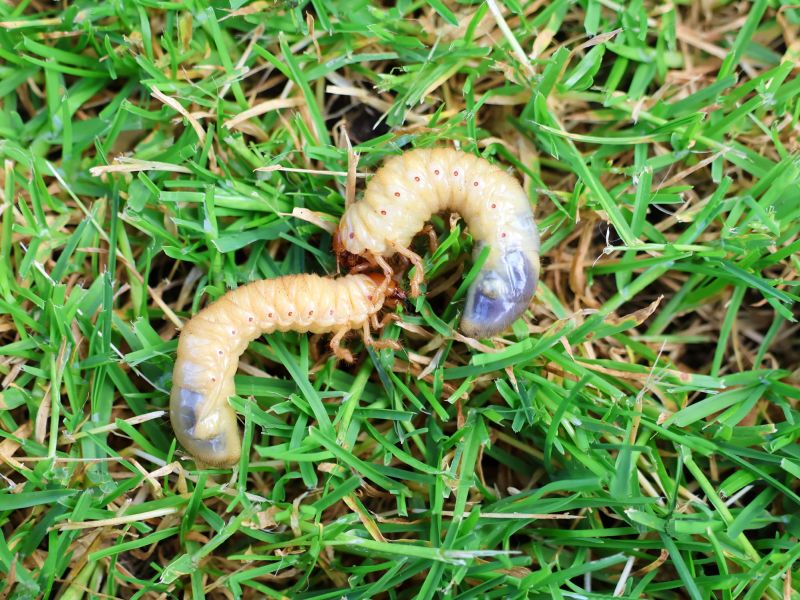
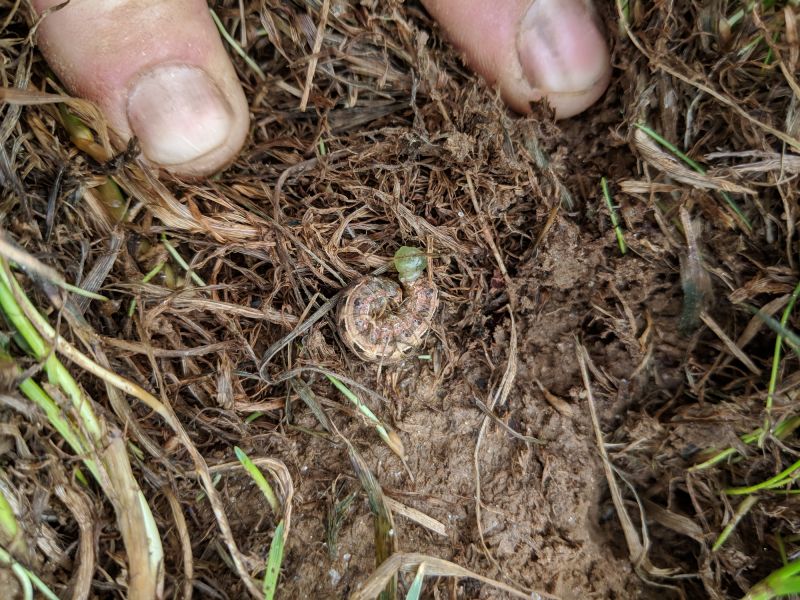
Grub control services focus on managing and eliminating lawn pests that can damage turf and affect the overall health of a yard. These services typically involve applying targeted treatments to prevent or reduce the presence of pests such as grubs, beetles, and other insects that feed on grass roots. Proper grub control can help maintain a lush, healthy lawn by stopping pests from causing extensive damage, especially during peak activity seasons. Local contractors use specialized products and techniques designed to address these specific pests, ensuring that treatments are effective and tailored to the needs of each property.
Many property owners turn to grub control services when they notice signs of pest activity, such as patches of dying grass, areas that feel spongy underfoot, or increased insect activity in the soil. Grubs can cause significant damage if left untreated, leading to weakened turf that becomes more susceptible to disease and weed invasion. These services are often recommended for homeowners who want to protect their lawns from pest-related problems or who have experienced issues with pests in the past. Regular treatments can help prevent infestations from developing into larger, more costly problems.
Properties that typically use grub control services include residential lawns, commercial landscapes, parks, and recreational fields. Any property with a grassy area that is prone to pest activity can benefit from professional pest management. Homeowners with large yards or landscaped areas often seek these services to preserve the aesthetic appeal and health of their lawns. Commercial property managers and facility maintenance teams also utilize grub control to ensure their outdoor spaces remain attractive and functional for visitors, customers, or employees.
Choosing to work with local service providers for grub control offers the advantage of tailored solutions suited to the specific conditions of each property. These professionals assess the extent of pest activity, the type of pests involved, and the local environment to recommend the most effective treatment options. By addressing pest problems early and effectively, property owners can enjoy a healthier, more resilient lawn. Contacting a local contractor for grub control services is a practical step toward maintaining the beauty and integrity of outdoor spaces.
The overview below groups typical Grub Control projects into broad ranges so you can see how smaller, mid-sized, and larger jobs often compare in your area.
In many markets, a large share of routine jobs stays in the lower and middle ranges, while only a smaller percentage of projects moves into the highest bands when the work is more complex or site conditions are harder than average.
Small-Scale Treatments - Many routine grub control services for smaller lawns typically cost between $250 and $600. Most projects fall within this range, covering basic treatments for average-sized yards. Larger or more complex properties may require higher investments.
Mid-Size Properties - For medium-sized lawns, local contractors generally charge between $600 and $1,200. This range often includes seasonal treatments and preventative applications for common pest issues. Projects at the higher end tend to involve additional services or larger areas.
Large or Complex Projects - Larger properties or those with special needs can see costs reaching $1,200 to $3,000 or more. These projects may include extensive treatments, multiple applications, or integrated pest management strategies. Fewer projects fall into this highest tier, but they are necessary for certain situations.
Full Lawn Overhaul or Replacement - Complete lawn renovations or significant replanting, which may include extensive grub control, typically start around $3,000 and can exceed $5,000. Such projects are less common and involve comprehensive planning and execution by local service providers.
Actual totals will depend on details like access to the work area, the scope of the project, and the materials selected, so use these as general starting points rather than exact figures.
Pest Prevention Projects - tasks that involve identifying and implementing strategies to prevent pests, similar to targeting specific pests like grubs in lawn care services.
Lawn Fertilization Services - projects focused on maintaining healthy turf, which often require knowledge of soil health and pest management techniques.
Soil Treatment Projects - activities that involve treating soil to eliminate pests or improve plant health, paralleling soil-based pest control methods used in grub management.
Landscape Maintenance Projects - ongoing care that includes weed control and pest prevention, requiring planning and application skills akin to grub control services.
Insect Barrier Installation - projects installing physical or chemical barriers to keep pests out, similar to preventative measures in grub control.
Tree and Shrub Care Services - treatments that protect plants from pests and diseases, involving planning and treatment techniques comparable to lawn pest management.
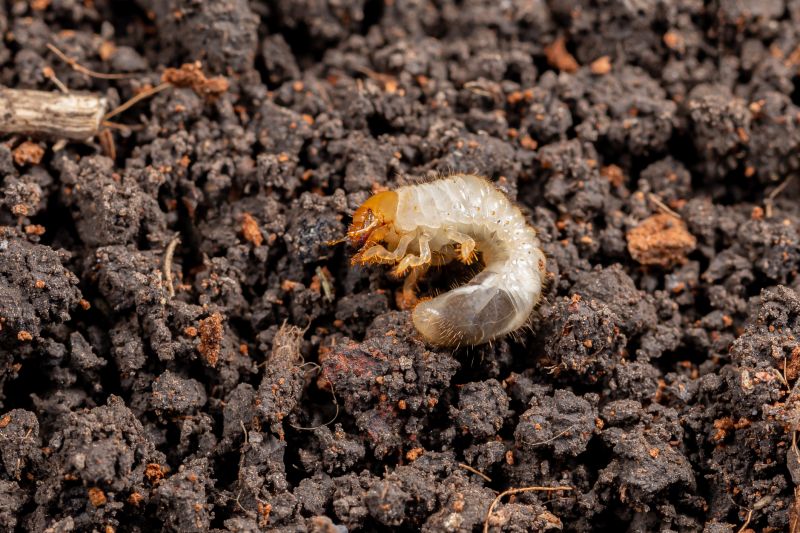
When comparing service providers for Grub Control, it’s important to consider their experience with similar projects. Homeowners should look for local contractors who have a proven track record of handling lawn and pest management services comparable to what is needed. Asking about the types of properties they have worked on and the results they have achieved can provide insight into their familiarity with the specific challenges involved. An experienced contractor will understand the nuances of different lawn conditions and pest issues, helping to ensure the job is done effectively.
Clear written expectations are essential when evaluating potential service providers. Homeowners should seek out local pros who can provide detailed descriptions of the services they offer, including what is included and any recommendations for ongoing lawn care. Having this information in writing helps prevent misunderstandings and ensures everyone is on the same page about the scope of work. It’s also helpful to inquire whether they can provide a written plan or outline of their approach, so expectations are transparent from the outset.
Reputable references and good communication are key factors in selecting a reliable local contractor. Homeowners can ask for references from previous clients who had similar Grub Control services, to gain insights into the quality of work and professionalism. Additionally, effective communication-such as responsiveness to questions and clarity in explanations-indicates a contractor’s commitment to customer service. Remember, the goal is to find a trusted local pro who can handle the project competently and communicate openly, ensuring a smooth experience from start to finish.
Property owners use Grub Control services for practical projects around their homes and businesses. This guide focuses on everyday jobs and straightforward project options.
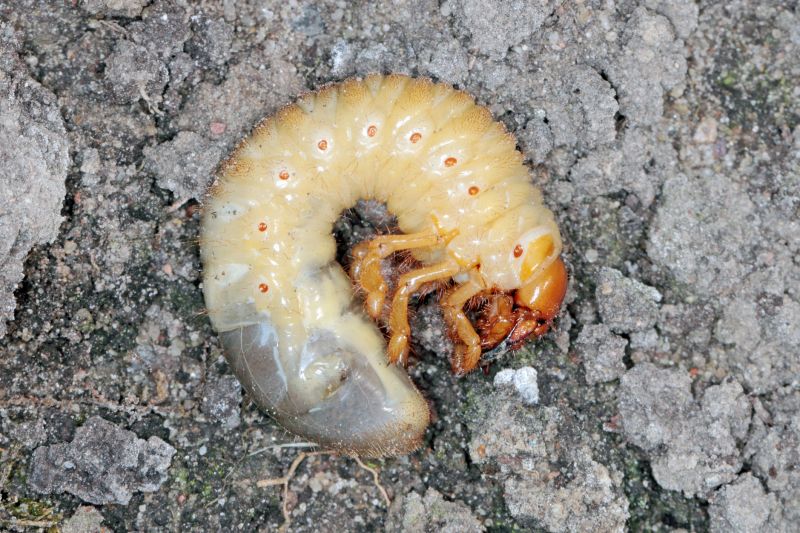
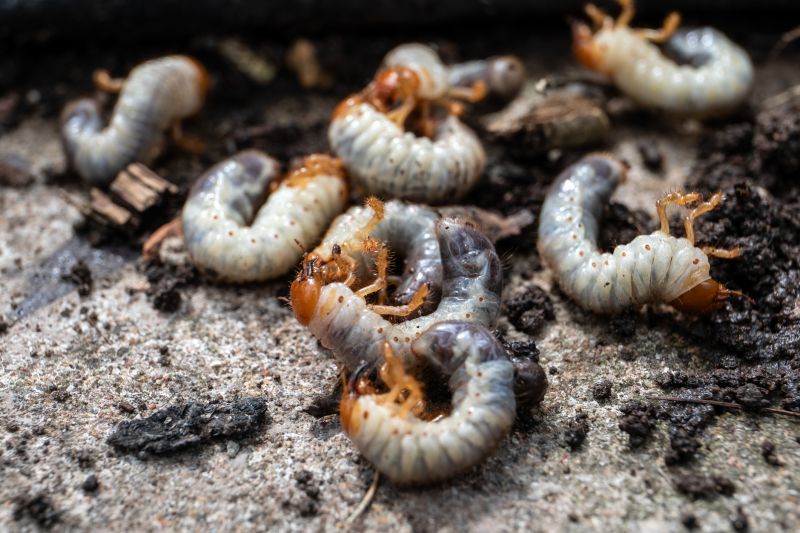
Property owners in the area often seek grub control services to protect lawns from common pest issues that can damage grass and plants. Infestations of insects like beetles or grubs can lead to patchy, unhealthy turf, making it important to address the problem early before it worsens. Local contractors who specialize in pest management can assess the situation and provide treatments designed to keep lawns healthy and vibrant.
Many residents look for professional grub control to prevent future outbreaks that could attract other pests or cause ongoing damage. Whether preparing for seasonal changes or responding to visible signs of pests, property owners turn to experienced service providers who understand the local environment and can recommend effective solutions. Connecting with trusted local experts ensures that lawn care needs are handled efficiently and appropriately.
What is grubs control service? Grubs control service involves treatments to eliminate and prevent white grub infestations that can damage lawns and gardens.
How do local contractors handle grubs control? Local service providers assess the extent of the infestation and apply appropriate treatments to target grubs effectively.
Are there different types of grubs that require specific treatments? Yes, different grub species may require tailored approaches, which local contractors can identify and address properly.
Can grubs control services prevent future infestations? Yes, many treatments include preventative measures to reduce the likelihood of future grub problems.
What signs indicate a need for grubs control? Signs include patches of dead or thinning grass, irregular patches of brown, or the presence of white grubs when the soil is examined.
Identify and eliminate pest attractants - property owners can use this service to reduce food sources and nesting sites that attract grubs, helping to protect lawns and gardens.
Schedule preventative grub treatments - homeowners may plan seasonal treatments to keep their turf healthy and free from damaging pests.
Address existing grub infestations - property owners can work with local contractors to treat and manage active grub problems before they cause extensive damage.
Maintain a healthy, resilient lawn - professionals can advise on practices that promote strong root systems, making lawns less vulnerable to grub damage.
If you are thinking about Grub Control for a property, this guide is meant to help you understand the work, the typical project types, and how different options might fit your plans.
When you are ready, you can use the quote form on this page to share a few details about your project. From there, local pros can review the basics and respond with options that match what you have in mind.