Hemlock Removal in Delaware County, PA
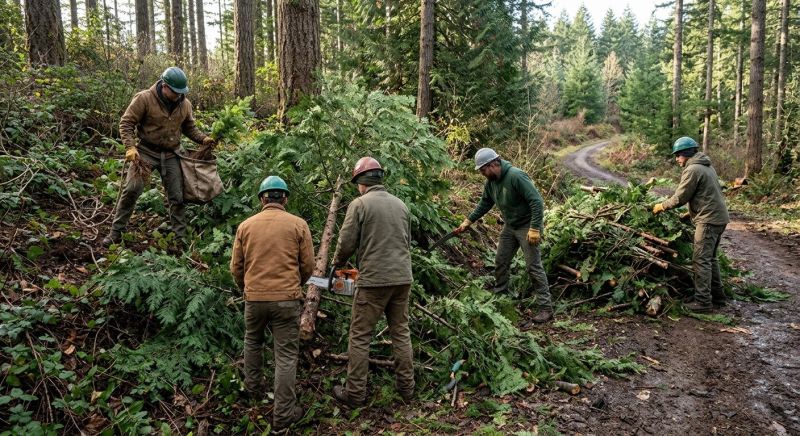
Hemlock removal services involve the safe and effective elimination of hemlock trees from residential properties. This process is often requested for trees that pose safety risks due to disease, decay, or structural instability, as well as for landscape improvement or property development projects. Property owners typically seek information on the scope of the removal, the potential impact on their landscape, and any necessary cleanup or disposal procedures. Understanding the reasons for removal and the condition of the trees helps ensure the project aligns with safety, aesthetic, or environmental goals.
Before requesting hemlock removal, property owners usually want to know about the size and location of the trees, the methods used for removal, and any considerations related to nearby structures or utilities. It’s also common to inquire about post-removal landscape options or treatments to prevent future issues. Clarifying these details can help ensure the project is completed efficiently and safely, with minimal disruption to the property.
Many property owners in Delaware County, PA look into Hemlock Removal for repairs, replacements, upgrades, and appearance-related improvements.
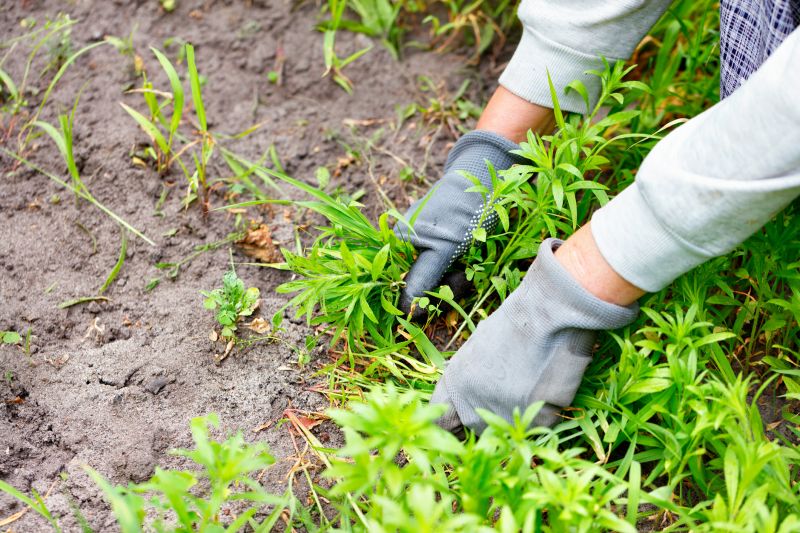
Risks Of Hemlock Trees
Removing hazardous hemlocks can prevent property damage and safety issues.

Signs You Need Hemlock Removal
Symptoms like dieback, pest infestation, or disease indicate it may be time for removal.
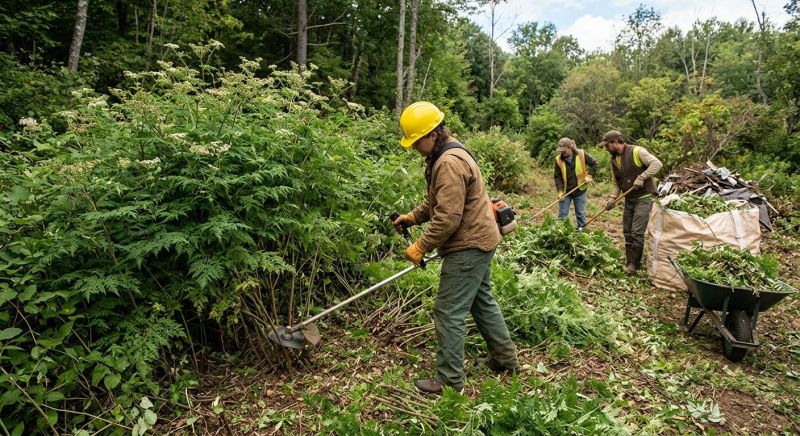
Benefits Of Hemlock Removal
Clearing unhealthy hemlocks helps improve landscape health and enhances curb appeal in delaware county.
Hemlock Removal in Delaware County, PA
Hemlock removal services involve the safe and effective elimination of hemlock trees from residential properties. This process is often requested for trees that pose safety risks due to disease, decay, or structural instability, as well as for landscape improvement or property development projects. Property owners typically seek information on the scope of the removal, the potential impact on their landscape, and any necessary cleanup or disposal procedures. Understanding the reasons for removal and the condition of the trees helps ensure the project aligns with safety, aesthetic, or environmental goals.
Before requesting hemlock removal, property owners usually want to know about the size and location of the trees, the methods used for removal, and any considerations related to nearby structures or utilities. It’s also common to inquire about post-removal landscape options or treatments to prevent future issues. Clarifying these details can help ensure the project is completed efficiently and safely, with minimal disruption to the property.
Many property owners in Delaware County, PA look into Hemlock Removal for repairs, replacements, upgrades, and appearance-related improvements.
Common Hemlock Removal Jobs
Hemlock Removal - safe removal of hazardous or overgrown hemlock trees.
Tree thinning - reducing canopy density to improve tree health and safety.
Stump grinding - complete removal of remaining stumps after tree removal.
Hazard assessment - evaluating trees for potential risks and necessary removal.
Property clearing - clearing hemlocks to create open space or improve landscape aesthetics.
Tree pruning - trimming to maintain tree structure and prevent future hazards.

Hemlock Removal Questions
Why should Hemlock trees be removed? Hemlock trees may be removed to prevent disease spread, reduce safety hazards, or improve landscape health and aesthetics.
What signs indicate a Hemlock tree needs removal? Signs include extensive pest infestation, disease symptoms, structural instability, or damage from storms.
Is Hemlock removal necessary for safety? Yes, if a Hemlock tree shows signs of instability or disease, removal can help prevent potential hazards.
What are common reasons for removing Hemlocks? Common reasons include disease management, safety concerns, or clearing space for new landscaping projects.
Request Hemlock Removal in Delaware County, PA
Use the quote form on this page to share the basics of your project and request more information for the type of work you need.